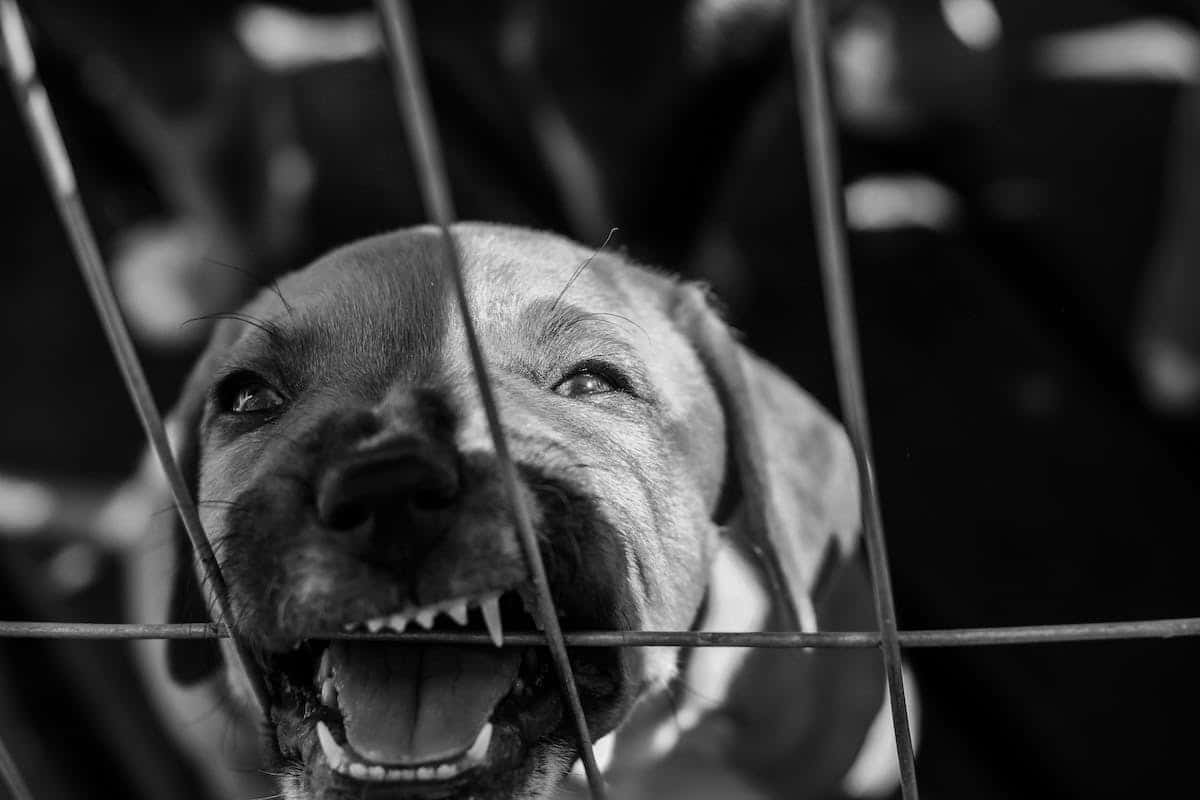
In the canine world, certain specimens stand out due to their impressive strength, notably Pitbulls. These mastiffs, often misunderstood and feared, possess a staggering jaw strength. Far from frightening clichés, this unique power reflects the evolution of the species and its ability to survive in harsh environments. Did you know that studies have shown that a Pitbull can exert a pressure of 300 kilograms per square centimeter with its jaw? This figure illustrates the brute strength of this animal, often misperceived, but which can, in reality, be a loyal and loving companion.
The Jaw of Dogs: A Fearsome Strength Not to Be Underestimated
In the family of canids, Pitbulls stand out for their jaw strength. This anatomical characteristic, which impresses and generates so much interest, is based on several key elements. The structure of their skull features exceptional width accompanied by developed musculature, particularly at the level of the temporals and the jaw joint. These features provide optimal stability during the locking of the jaw.
The exact term to describe this strength is “Pitbull jaw pressure”. Studies show that this pressure can reach up to 300 kilograms per square centimeter. This is partly explained by the thickness and density of the maxillary bones as well as the robustness of the associated muscles.
It should be emphasized that this power does not necessarily mean aggressiveness or danger in these dogs. Indeed, all factors influencing canine behavior must be taken into account to truly understand the use of this strength in a given context.
Among these factors are the education received by the dog from a young age, its social environment, and its relationship with its owners. A well-educated dog is less likely to use its physical strength in inappropriate situations.
It is also important to consider the potential consequences if an accident occurs involving a Pitbull or any other dog with such biting capacity. Owners must be responsible and take preventive measures to avoid any incidents, such as early socialization of the dog, learning canine calming signals, and adhering to safety rules during interactions with others.
The jaw strength of Pitbulls is an undeniable anatomical reality. It is crucial to understand that this characteristic is not intrinsically linked to an aggressive or dangerous nature in these dogs. Pitbull jaw pressure can be utilized for various activities such as dog sports or simply as an asset in their daily lives.
It is up to owners and society as a whole to properly inform themselves about breed specifics to avoid hasty judgments and promote harmonious coexistence between humans and our loyal four-legged companions.
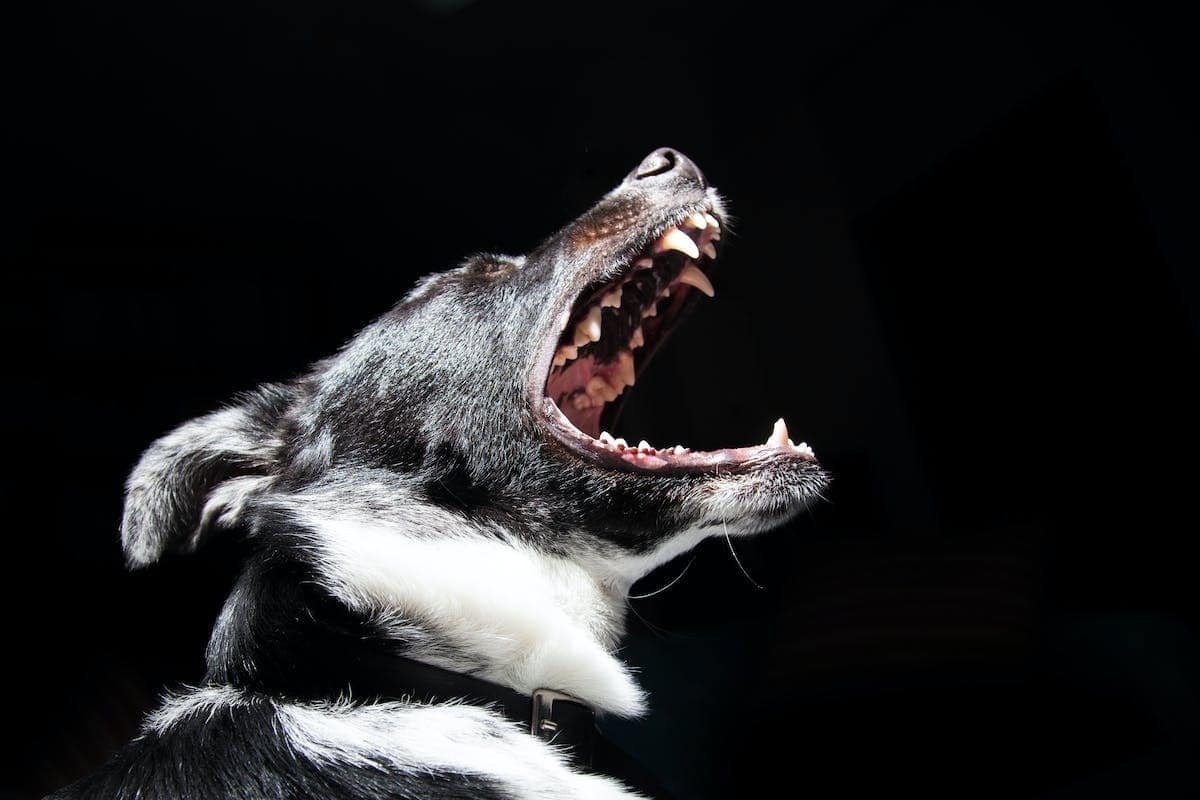
The Anatomical Secrets of Pitbulls That Make Them So Powerful
The biting power of Pitbulls has long fueled debates and given rise to many myths. Some claim that their jaw can crush anything, while others argue that this is simply an exaggeration without scientific basis.
To dispel these preconceived notions, one must refer to the facts and studies conducted on the subject. Research has shown that the biting strength of Pitbulls is not superior to that of other dog breeds of similar size. In reality, various factors such as the individual anatomy of the dog, its physical training, and its level of excitement can influence this power.
It should be noted that all dogs possess powerful muscles in their jaws. The difference among them lies rather in their respective uses when they grasp or clamp down on an object with their teeth. Pitbulls are often recognized for their endurance and determination once they lock their jaws around an object.
This does not necessarily mean that they have an exceptional capacity to cause serious injuries compared to other dog breeds. Clinical studies have even shown that certain breeds like Rottweilers have a higher pressure at their teeth compared to Pitbulls.
Beyond the raw numbers regarding biting strength, it is important to understand that a dog’s behavior cannot be reduced to a single characteristic. Pitbulls, like all breeds, are influenced by their upbringing and environment. A responsible owner must ensure adequate socialization from a young age, as well as positive training to channel the dog’s energy.
The biting power of Pitbulls is neither an exaggerated myth nor an uncontrollable frightening reality. It is rather an anatomical characteristic that can be used cautiously in various contexts. As responsible owners, it is our duty to promote an informed understanding of this particular breed and to avoid any abusive generalization or unjust stigmatization based on preconceived ideas.
Pitbulls: Myth or Reality Decoding Their Biting Power
In studying the factors that influence jaw strength in dogs, one must consider the powerful muscles in their head and jaw.
The level of physical training of the dog can also impact its biting strength. Dogs that are regularly trained to develop their musculature may have better control over their power when they clamp their teeth around an object or exert force in general.
The level of excitement of the dog at the moment it clamps its teeth can also be a determining factor. When the dog is excited or aggressive, its natural instinct drives it to use all its strength to grasp or hold onto something. This does not necessarily mean that all Pitbulls will automatically have a strong jaw in all situations.
It should be emphasized that there are also individual differences within each dog breed. Each dog has its own anatomical and behavioral characteristics that contribute to its specific biting strength.
It is important to understand that the notion of ‘jaw strength‘ should not be used to stigmatize or discriminate against a specific breed. The power of a dog’s teeth is just one aspect among many that define its nature and overall behavior.
The factors influencing jaw strength in dogs are multiple and complex. The individual anatomy of the dog, its level of physical training, and its level of excitement are all variables to consider. It is essential to approach these aspects with caution to promote a balanced and objective understanding of dogs’ physical capabilities, without focusing on a single isolated characteristic such as the strength of their jaw.
The Factors That Influence Jaw Strength in Dogs
In the categorization of dog breeds, Pitbulls are often associated with a certain jaw strength. It is important to understand that this anatomical characteristic does not automatically dictate a dog’s behavior. An animal’s behavior depends on many factors such as its upbringing, environment, and socialization.
It should be noted that statistics on incidents involving Pitbulls must be interpreted with caution. Misinterpretation can lead to abusive generalizations and the unjust stigmatization of an entire breed. Each case should be considered individually, and the whole should not be judged based on a minority.
Some irresponsible owners may contribute to the development or reinforcement of aggressive behavior in their dogs through poor training or even through the cruel practice of negative reinforcement. These practices are harmful to all types of dogs and should never be tolerated in our society.
The negative reputation that Pitbulls suffer often stems more from the treatment they receive than simply from their physical power. Indeed, dogs that are abused or neglected can develop serious and potentially dangerous behavioral problems, regardless of their breed.
It is crucial for Pitbull owners (and any other dog owners) to invest time and effort in positive socialization from a young age. Regular exposure to different environments, people, and animals can help promote a friendly and confident attitude in these dogs.
You should not make hasty judgments about Pitbulls or any other breed based solely on the presumed power of their jaw. Their behavior depends more on the educational and environmental factors they are exposed to. It is the responsibility of responsible owners to take on their responsibilities to promote positive behavior in their pets, regardless of the type or physical strength they possess naturally.
The Relationship Between Pitbull Jaw Strength and Their Behavior
As a responsible owner, it is your duty to take necessary measures to prevent any potential accidents related to the jaw strength of dogs, regardless of their breed. Here are some tips to help you in this endeavor:
Education: It is essential to invest time and resources in educating your dog from a young age. By teaching it the right foundations of behavior and establishing a clear hierarchy within the household, you contribute to developing a balanced and well-socialized dog.
Socialization: Exposing your dog to different environments, people, and animals from a young age fosters the development of a friendly and confident attitude in it. Organizing regular meetings with other well-educated dogs can also be beneficial for reinforcing its social skills.
Control: Ensure that you have total control over your dog at all times. Use a sturdy leash during walks and do not hesitate to use a harness or muzzle if necessary. Teach it essential commands such as ‘sit’, ‘lie down’, or ‘stay’.
Supervision: Never leave your dog unsupervised with children or people who are not familiar with it. Stay attentive to any signals it may send if it feels uncomfortable or threatened.
Professional Guidance: If you encounter difficulties in educating or managing your dog’s behavior, do not hesitate to seek help from a professional dog trainer. These experts will be able to guide you and provide advice tailored to your specific situation.
By following these key points, you can significantly reduce the risks of accidents related to the jaw strength of dogs. The responsibility lies with owners of any type or breed of dog to ensure their safety as well as that of the people around them.
Let us also remember that strict legislation already governs the ownership and breeding of Pitbulls in several countries. It is important to be informed about local laws to act in accordance with them.
It is crucial to approach the subject of jaw strength in dogs without stigmatizing a particular breed. Rather than focusing solely on this anatomical characteristic, we should emphasize education, socialization, and mutual respect between humans and their canine companions. Only a responsible approach can allow for harmonious coexistence between humans and these wonderful pets they have chosen to welcome into their homes.
Preventing Accidents Related to Dog Jaw Strength: Measures to Take
You must emphasize that the jaw strength of dogs, including that of Pitbulls, should not be confused with their general behavior. Although these dogs have significant biting strength, it is important to understand that this characteristic is just one aspect among many in assessing a dog’s aggressive potential.
Breed alone cannot predict a dog’s behavior. Many factors influence canine temperament, including the environment in which it was raised and socialized, the experiences it has had, and the education it received. Each dog should be considered individually rather than generalizing based on its breed.
Statistics also show that the majority of accidents involving dogs are related to causes other than the physical strength of their jaws. Studies have demonstrated that popular breeds like Labrador Retrievers or Golden Retrievers can cause more accidents through mere accidents or vigorous play.
Indeed, no dog is born aggressive by nature; it is often a complex set of circumstances that triggers an undesirable reaction in an animal. Therefore, the responsibility lies with owners to ensure a safe and healthy environment for their pets.
The fundamental importance of proper education from a young age should not be underestimated. A well-socialized puppy is less likely to develop behavioral problems such as aggression. By investing time and effort in training your dog, you will create a strong relationship based on mutual trust.
You must be responsible by adhering to local laws and regulations regarding dog ownership and control. By following these guidelines, we can help reduce not only the risks associated with dog bites but also promote harmonious coexistence between humans and their four-legged best friends.
Addressing the complex issue of dog jaw strength requires a balanced approach that does not rely solely on racial stereotypes. The responsibility falls on owners to properly educate their dogs and create a safe environment for all.