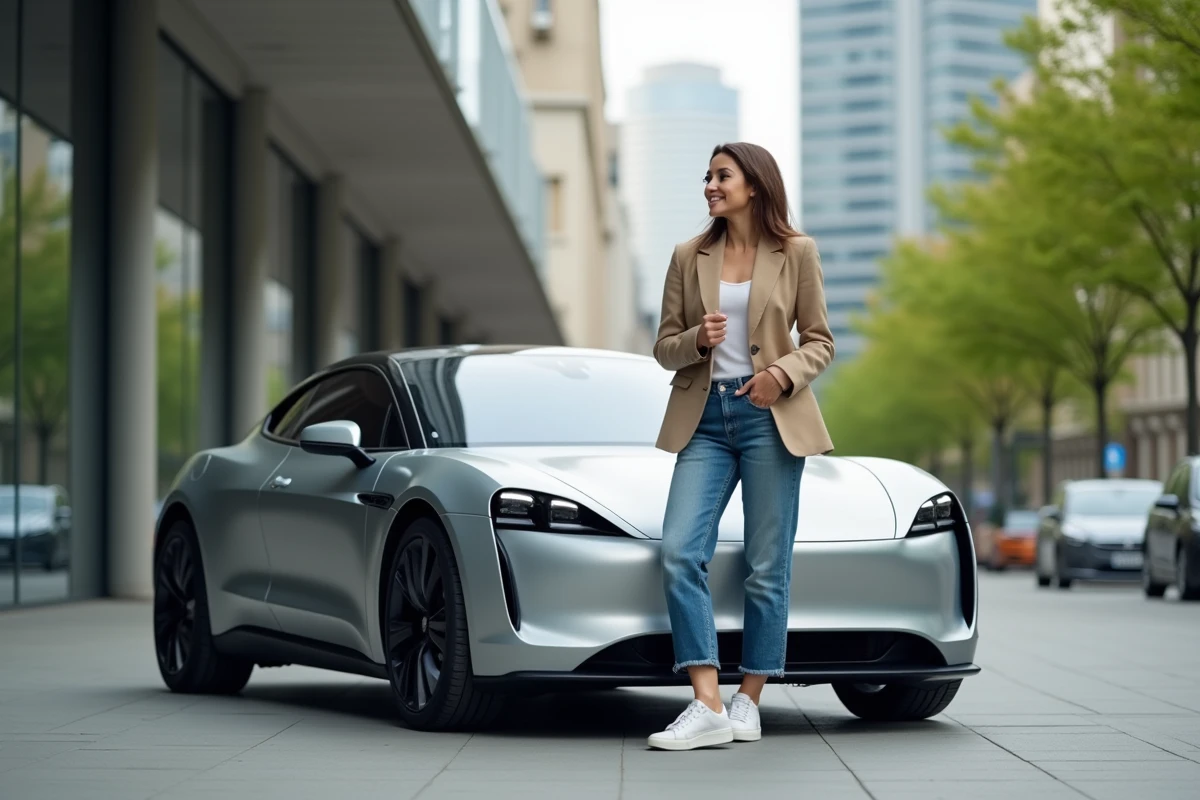
2026 will not be a softly transitional year: the European automotive industry is preparing to face a significant regulatory shift. Starting from this date, new rules will be imposed on manufacturers, requiring unprecedented levels of emissions and energy efficiency. Some groups are not waiting for the countdown: they are already unveiling models with refined hybridization and are betting on ultra-fast charging, which is finally making its way beyond the premium segments.
Manufacturers that have long been absent from the electric market no longer intend to remain spectators. New platforms, sometimes unexpected alliances: the novelty card is also displayed in industrial strategies. The gap is widening between historical giants and challengers. The battle for real autonomy and software integration is just beginning.
Which cars will mark 2026? The most anticipated models and their strengths
The 2026 vintage promises to be robust, balancing pragmatic renewal and calculated risks. Renault is preparing the return of the Twingo Electric: a cult model, revamped to conquer the city at an accessible price. This could disrupt habits in the urban segment where every centimeter counts. On the side of Peugeot, the strategy aims to be more prestigious: a family SUV, designed to offer a formidable value for money, and the Peugeot GTi which is undergoing a modernization process. The compact sports car retains that touch of madness that appeals to enthusiasts of spirited driving.
Citroën, for its part, is reworking its Aircross, focusing on an optimized gasoline engine and a hybrid version tailored for the city. Modularity and energy efficiency are at the heart of their bet, without sacrificing adaptability. At BMW, the offensive is taking place in the realm of next-generation electric SUVs. The stated goal: to combine comfort, increased autonomy, and onboard innovations for a demanding clientele that no longer compromises on technology or connectivity.
To summarize the main points: widespread electrification, compact formats, optimization of usage costs. The offerings will gain in diversity: electric city cars, family SUVs, reimagined iconic sports cars… To follow the rumors and analyses on these upcoming models, the site https://www.autoworldblog.net/ provides exclusive information weekly on future trends in the automotive industry.
Between electrification, artificial intelligence, and innovative materials: what manufacturers are really preparing
Electric vehicles are no longer just racking up kilometers in silence: the competition is now focused on real autonomy and the speed of battery charging minutes. In this game, each manufacturer is refining its batteries, reducing downtime at charging stations, and seeking to make charging simpler than ever.
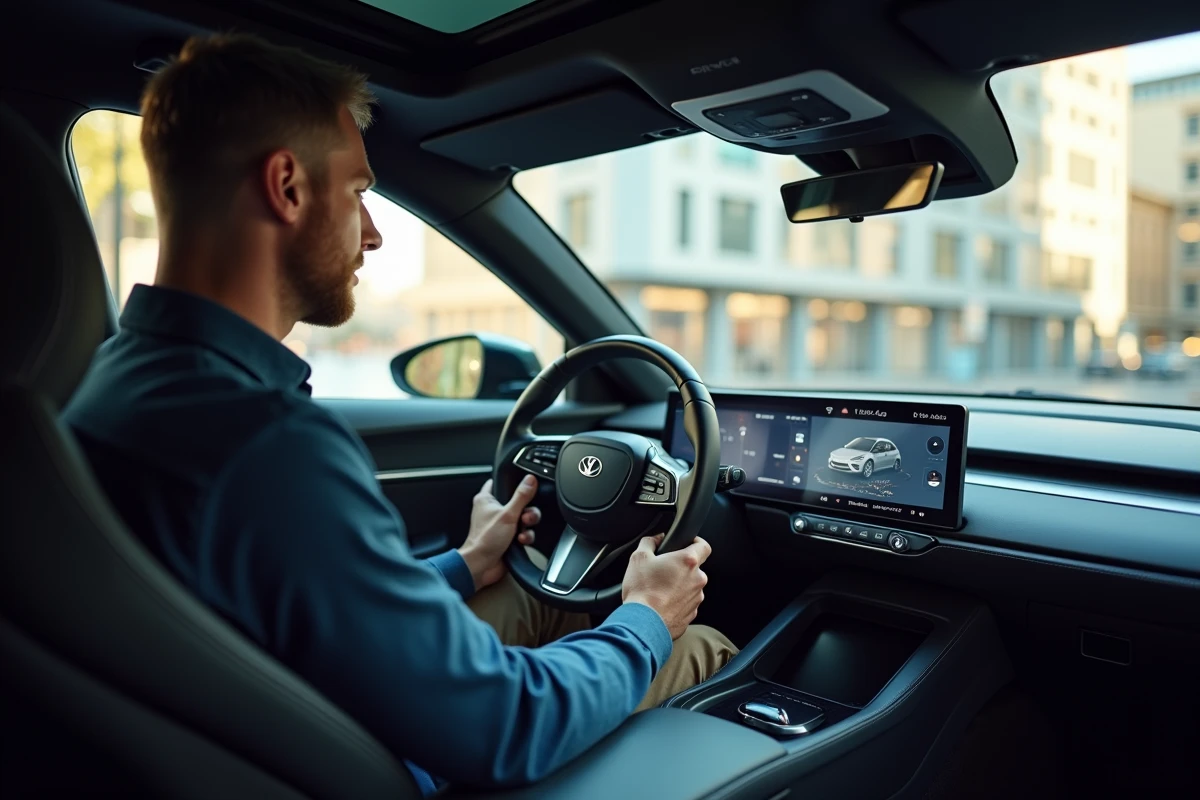
The heart of innovations also lies in the architecture. The emergence of the STLA Medium platform is transforming cabin design: more onboard technologies, better thermal management, enhanced safety. Aesthetics are not forgotten: fluid lines dominate, LED signatures sharpen, and the grille adapts to new electric cooling constraints. Inside, the transformation is striking.
Here are the major developments that motorists will discover in the cockpit:
- Digital dashboard: redesigned interface, contextual display, advanced customization options.
- Compatible touchscreen inches: intuitive ergonomics, voice commands, enhanced connectivity.
The new generation SUV combines space, artificial intelligence, and predictive technologies. Driving aids are advancing, anticipating the driver’s movements. Innovative materials are making their mark: recycled fabrics, lightweight composites, low-emission paints. The design no longer aims solely to attract but to narrate the profound upheaval in the automotive sector.
Environmental standards and comparison 2025-2026: what impacts on the choices of enthusiasts?
Europe is accelerating the pace regarding environmental regulation. Starting in 2025, each new model will have to meet tightened emission thresholds, requiring manufacturers to quickly adapt their engines and designs. Savvy buyers dissect technical data, hunting for any advantage in value for money and closely scrutinizing announcements of used cars.
At the recent shows, from Paris to Brussels, discussions revolved around new ecological labels and the hybrid boom. For new generation enthusiasts, the question of the availability of models suited to France and Europe has become central. Electric city cars are appealing for their energy efficiency, while hybrid family SUVs seek to balance power and compliance with regulatory thresholds.
The 2025-2026 comparison will be scrutinized from every angle. Real autonomy, usage cost, access to low-emission zones: each criterion weighs in the decision. The rise of car subscriptions is reshuffling the cards, changing habits, and accelerating the shift towards more responsible vehicles. Enthusiasts, meanwhile, are walking a fine line, searching for the balance between pleasure and compliance, without ever giving up the thrill of driving.