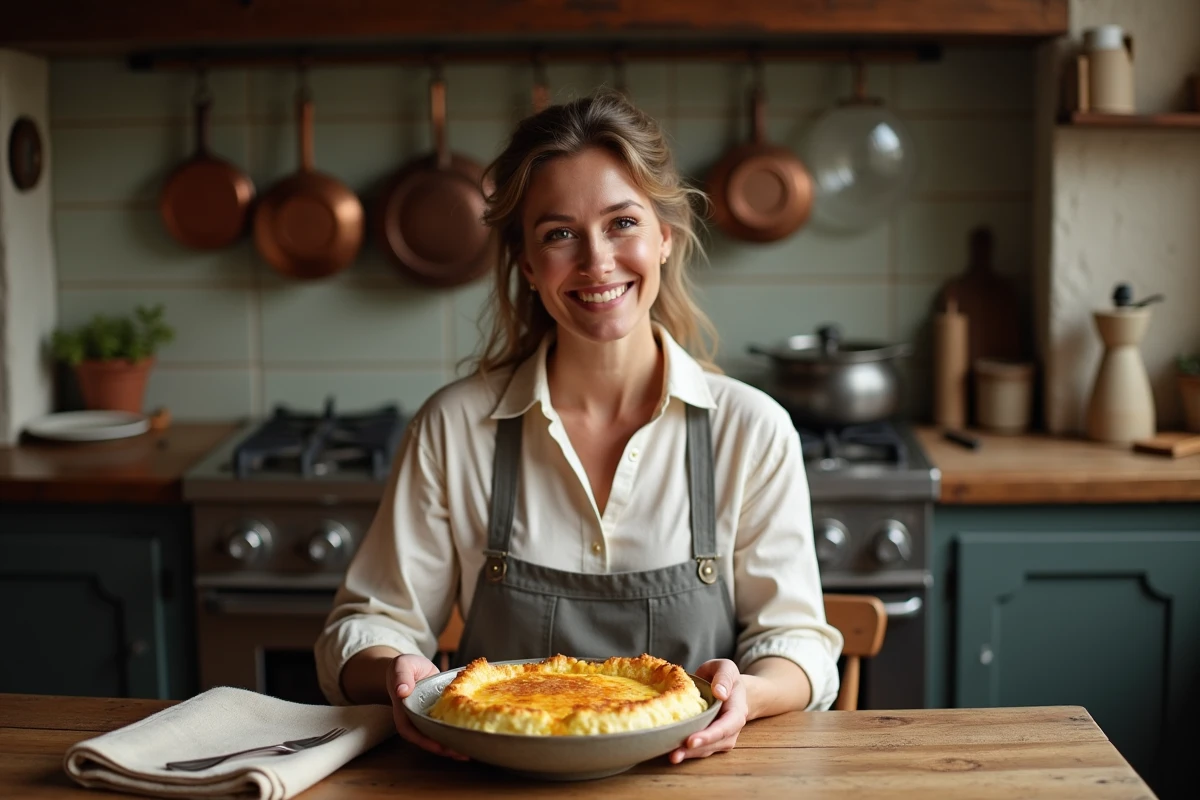
A culinary ranking is not set in stone. Year after year, the tastes of the French fluctuate, influenced by the power of memories, the neighbor’s preferences, and curiosity for the elsewhere. Who remembers that steak-frites, long at the top, now shares the spotlight with couscous or duck breast, according to surveys? The benchmarks change, but the attachment to good eating remains strong.
Regional specialties fiercely defend their place against national stars, even if cuisines from elsewhere are gaining ground in habits. Restaurant figures confirm this: vegetarian dishes are slowly settling in, and classic recipes are adorned with novelties, reflecting a real appetite for innovation while keeping close at hand the comforting recipes that have united generations.
What dishes occupy the hearts of the French today?
The topic of the favorite dish of the French sparks lively discussions during family dinners, pitting tradition supporters against flavor explorers. The latest CSA institute survey tips the balance in favor of pizza: the ultimate sharing dish, appreciated for its simplicity and conviviality, it has transcended its Italian roots to become a staple on French tables. However, tradition does not fade away. It’s impossible to overlook duck breast, the pride of the Southwest, whose tenderness delights palates, or beef bourguignon, always honored during holiday meals or Sundays that bring the family together around a large table.
French cuisine relies on traditional dishes inherited and passed down through time. Couscous, integrated into the hexagonal table for decades, has joined the ranks of favorites, proving that diversity nourishes the vitality of French gastronomy. This plurality embodies the subtle balance between openness and fidelity to culinary roots.
The results of the favorite French survey also remind us of the country’s attachment to meat and cheese, pillars of many French culinary specialties. The French favor generous recipes that are easy to share, as evidenced by the stews that bring young and old together during major occasions. To explore the details of the ranking and its evolutions, the complete analysis can be read on Gourmandises et Cie. A whole play of regional nuances, childhood memories, festive rhythms, and immutable dishes constantly shapes this ever-changing ranking.
Secrets and stories of the emblematic recipes of our culinary heritage
Over time, French cuisine has built an identity that is both solid and inventive. Behind each favorite dish of the French, there is a story of transmission, sometimes confidential, sometimes grandiose. Take beef bourguignon: born in the countryside of Burgundy in the 19th century, it owes everything to the ingenuity of farmers who, to tenderize the meat, rely on red wine and garden vegetables. A classic that transcends the ages without losing its splendor.
Duck breast has only recently gained its nobility, thanks to the boldness of André Daguin. This chef from the Southwest, in the 1960s, dared to serve grilled duck breast, pink, enhanced with minimalist seasoning. Behind this dish lies a technique that leaves nothing to chance: quick cooking over high heat, well-calculated resting time, and a clean cut to preserve tenderness.
As for pizza, it crossed the Alps after World War II. Originating from Naples, it adapted to local tastes: thin crust, flavored tomato sauce, and a multitude of toppings that vary from region to region.
Three examples illustrate this culinary diversity well:
- Beef bourguignon: the result of a slow alchemy between white wine (in some variations), long-simmered meat, and a bouquet of herbs.
- Duck breast: a legacy of the Southwest, now appreciated everywhere as a specialty in its own right.
- Pizza: integrated into daily life, proof that hexagonal cuisine knows how to welcome and transform what it borrows.
Each recipe bears the mark of a collective story, made of passed-down gestures, curiosity, and passion. Behind these flagship dishes, inspired chefs like Auguste Escoffier, André Daguin, as well as anonymous cooks, perpetuate the family ritual over the decades.
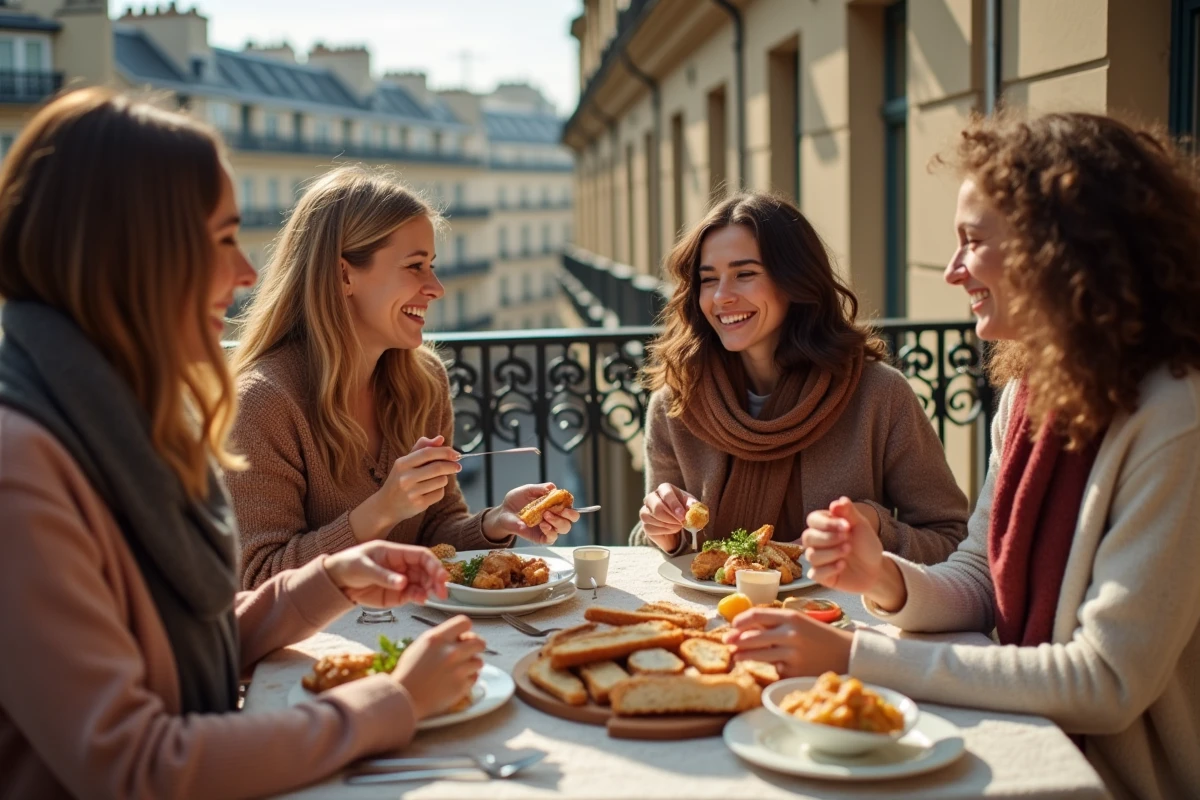
French cuisine in motion: regional specialties and new trends to discover
It is impossible to talk about French cuisine without mentioning the richness of its terroirs. Each region proudly asserts its specialties: in Auvergne, gratin dauphinois stands out for the sweetness of its potatoes mixed with cream, sometimes enhanced with cheese for an irresistible texture. In Marseille, bouillabaisse brings together the diversity of rock fish and the aromas of southern herbs. Paris, for its part, multiplies the addresses that revisit old recipes, while in Auvergne, there is a return to simple and warm local cuisine.
Duck breast is a star in the west, drawing from the tradition of the Southwest. Provence, on the other hand, shines with its sun-filled dishes, where vegetables and olive oil take center stage. In Castelnaudary, cassoulet perpetuates the spirit of large gatherings, in an atmosphere of sharing and fidelity to ancestral recipes.
But French cuisine is not static. It opens up, adapts, and reinvents itself every day. The rise of local products, the preference for short supply chains, and the arrival of young chefs inspire new practices. Regional specialties are exported, evolve, and sometimes metamorphose, without ever renouncing their origins. The demand for seasonality, the development of vegetarian dishes, and the adoption of modern techniques illustrate a living heritage, ready to face the challenges of the century.
Some examples among the must-try regional dishes:
- Gratin dauphinois: pride of Auvergne Rhône-Alpes, a symbol of generosity and conviviality.
- Bouillabaisse: immersion in the Mediterranean soul, where each ingredient tells the story of the sea.
- Cassoulet: a dish from the Southwest, embodying the shared meal and the strength of traditions.
The French culinary landscape has never been so rich, so dynamic, so passionate. With each generation, new dishes are invited to the table, old recipes regain their luster, and debates remain open. Like a set table, ready to welcome the next surprise, the next flavor, or the memory of a family Sunday.